
The Point
FOIA Files, Part 2: State Pension Officials’ Communications with PESP Raise Fiduciary Questions
November 19, 2025
Over the past year, Pinpoint’s nationwide Freedom of Information Act (FOIA) request program has uncovered a troubling pattern of non-public communication between state pension fund officials and staff and the Private Equity Stakeholder Project (PESP), an activist group funded by large labor unions and progressive foundations.
The documents reveal unusually close relationships in the states of Washington, Oregon, California, and New York, raising serious questions about the propriety of information-sharing and the potential compromise of these pensions’ fiduciary responsibilities to their beneficiaries – the state employees they serve.
Privileged Access and Regular Communication
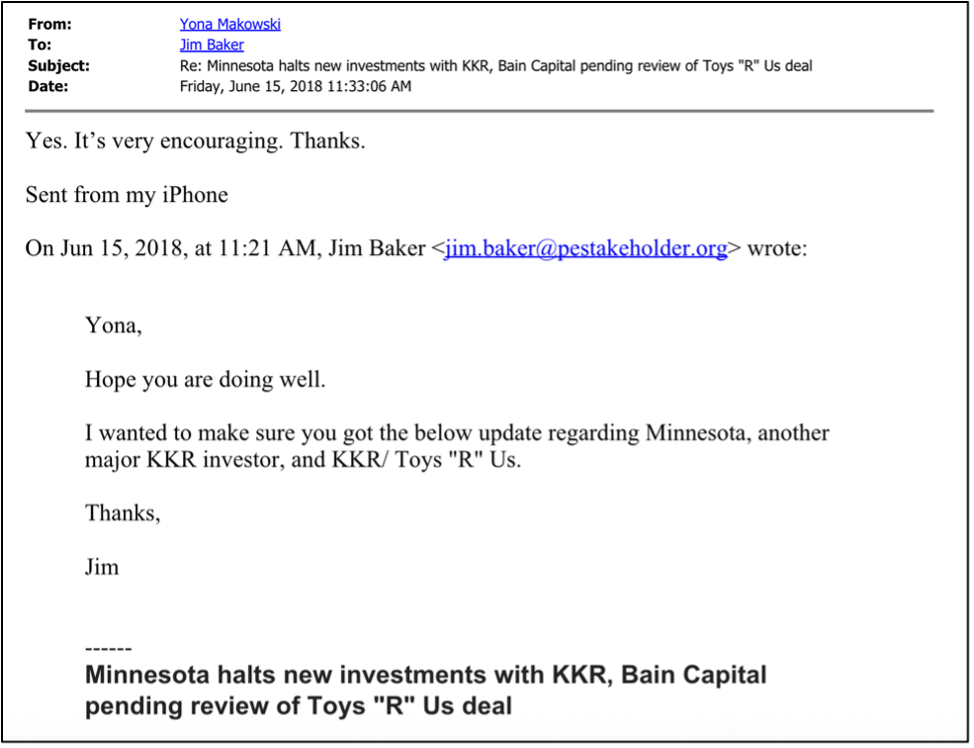
In Washington state, the relationship between PESP and pension officials appears particularly close. Documents show that from 2018-2020, PESP Executive Director Jim Baker maintained regular contact with high-level members of both the Washington State Treasurer’s office and Washington State Investment Board (WSIB). During this period, Baker was also a registered lobbyist in Washington for the organization.
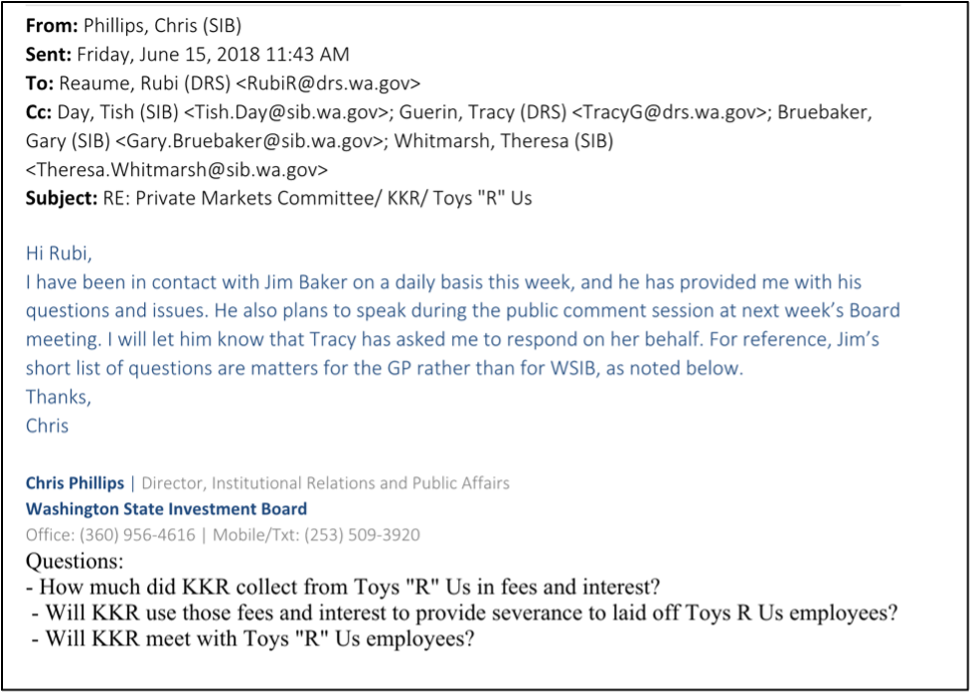
- The depth of this relationship is evidenced by several key findings: WSIB staff noted being “in contact with PESP’s Executive Director Jim Baker on a daily basis” in 2018.
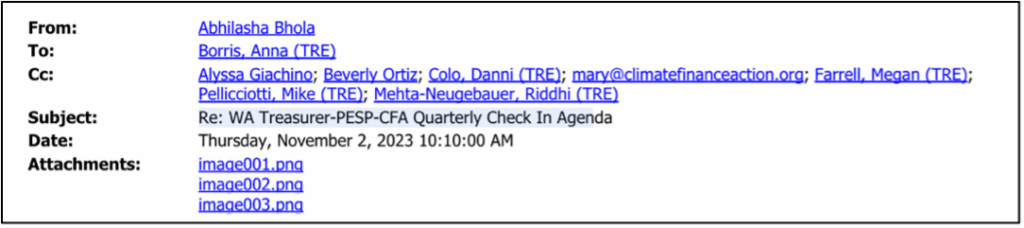
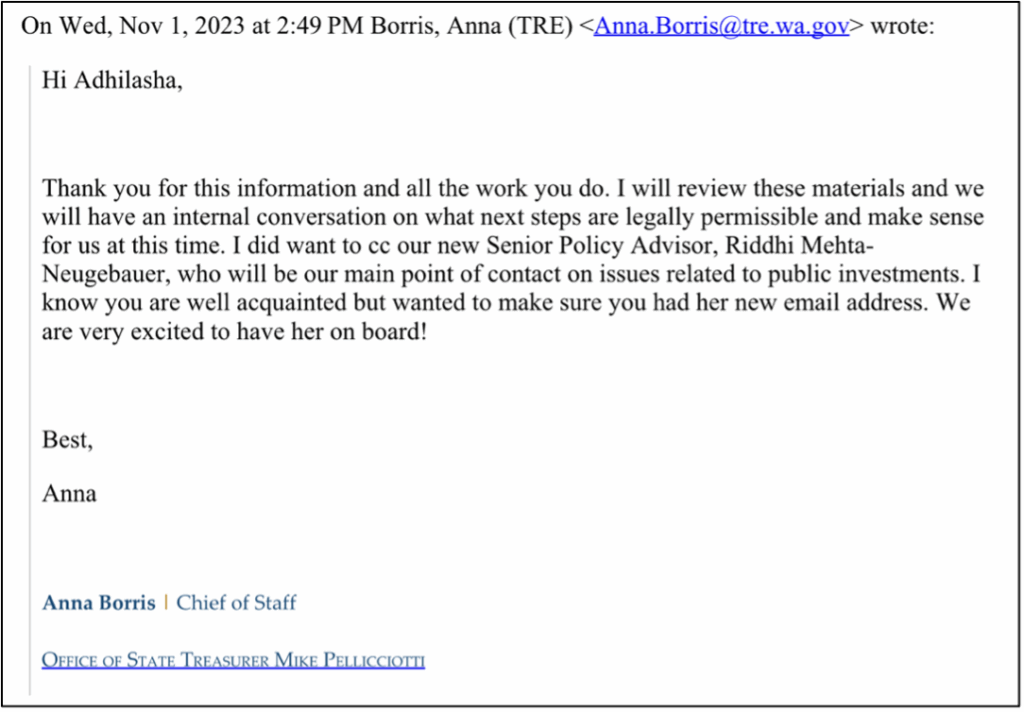
- In late 2023, PESP maintained quarterly standing meetings with the Washington State Treasurer’s office. In this same email thread, the Treasurer’s Chief of Staff told PESP, “Thank you for … all the work you do.”
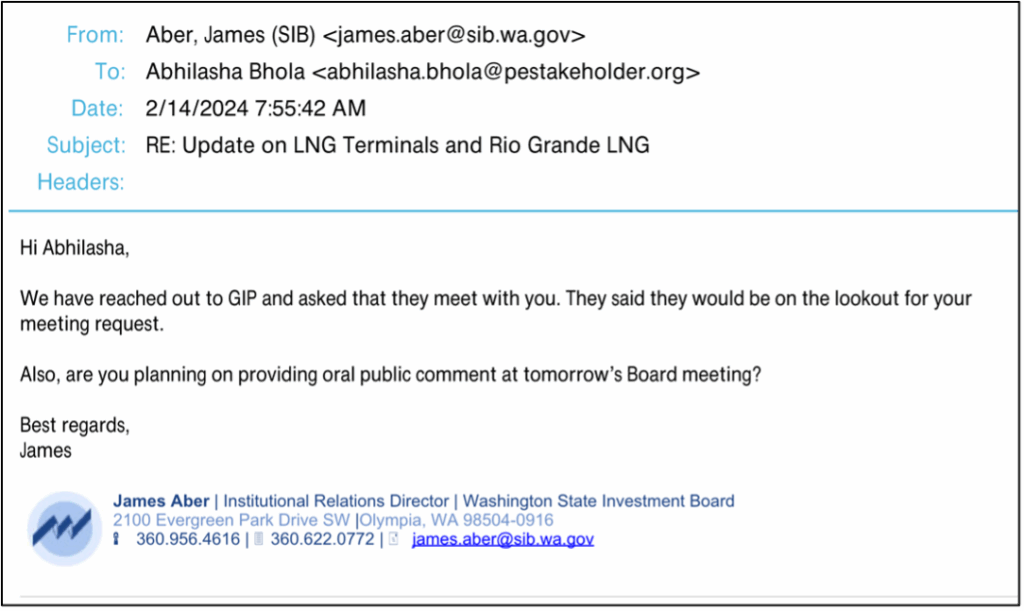
- State officials actively facilitated meetings between PESP and investment funds they criticized. In February 2024, a WSIB staffer emailed the investment fund GIP requesting that they meet with PESP after the latter raised questions about the Rio Grande LNG terminal.
- Washington pension officials have expressed support for PESP’s work and appeared to agree with their criticism of certain funds.
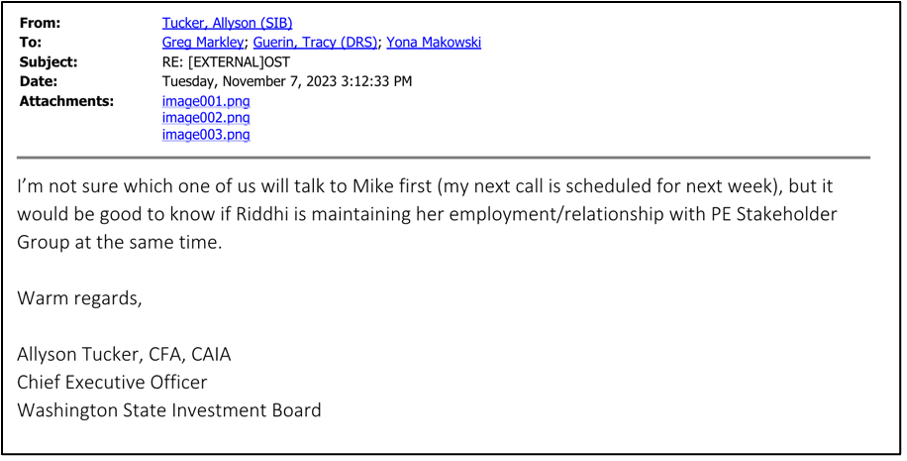
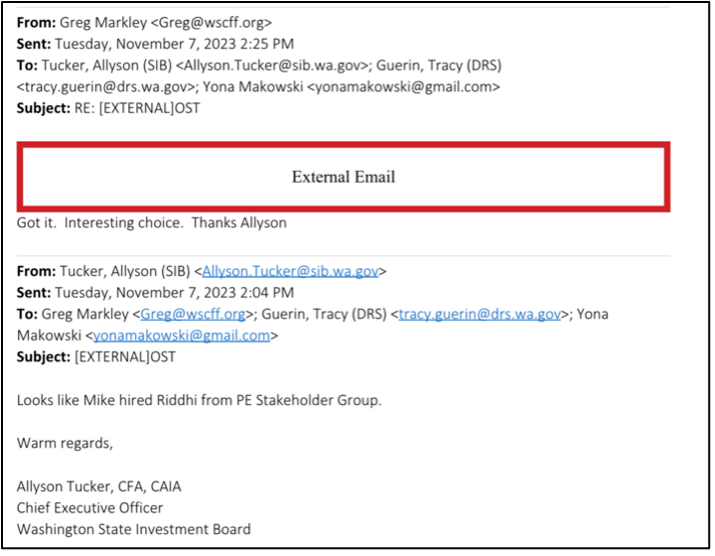
The relationship became even more intertwined when the Washington State Treasurer’s office hired former PESP employee Riddhi Mehta-Neugebauer as a Senior Policy Analyst in October 2023. Her role included “working on a report to the legislature regarding anti-ESG effort in other jurisdictions and their potential impacts on investments in WA.”
This hiring raised internal questions, with one Washington State Investment Board member describing it as an “interesting choice” and questioning whether she would maintain her relationship with PESP.
Pattern Across Multiple States
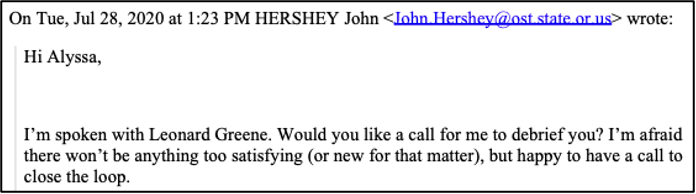
- The concerning nature of these relationships extends beyond Washington. In Oregon, then-Director of Investments John Hershey demonstrated a similar pattern of close communication with PESP: In July 2020, after speaking with Leonard Green & Partners, Hershey explicitly offered to “debrief” PESP representatives.
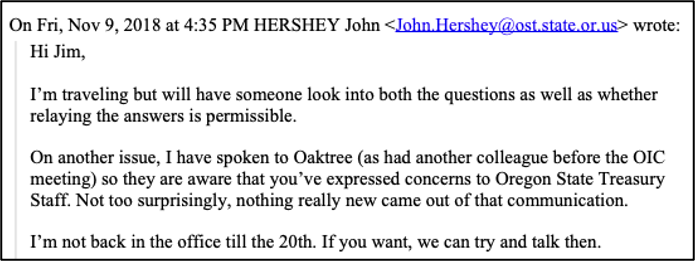
- In November 2018, Hershey informed PESP that he had discussed their concerns directly with Oaktree Capital Management.
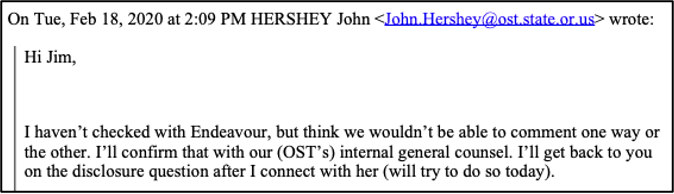
- He also engaged in discussions about potentially sharing information about Endeavor Capital, though this required legal counsel review first.
In New York, the State Common Retirement Fund provided PESP with access to policy information before public release, with Elizabeth Gordon, Executive Director of Corporate Governance, sharing advance notice of a new “Responsible Workforce Management Policy for Private Equity” with PESP staff.

Fiduciary Concerns
These communications raise significant questions about the appropriate relationship between public pension funds and advocacy organizations. Public pension fund officials have a fiduciary duty to act in the best interest of their beneficiaries, the pension holders. This responsibility requires maintaining appropriate professional boundaries and protecting potentially sensitive information about investment partners and strategy.
The pattern of communication revealed in these FOIA documents suggests that these boundaries may have been compromised in favor of relationships with PESP, an organization with a clear and unequivocal agenda. It remains unclear whether the firms discussed in these communications were aware that their conversations with pension fund officials would be shared with an organization that opposes their entire business model.
Looking Forward
As we process additional FOIA requests across other states, these findings may represent only the tip of the iceberg. The relationship between public pension funds and activist groups like PESP deserves closer scrutiny, particularly given:
- The apparent regularity of communication between PESP and pension officials
- The willingness of officials to share information from private conversations with investment firms
- The movement of personnel between PESP and pension fund offices
- The potential impact these relationships might have on pension fund management and returns
These revelations should prompt a broader discussion about appropriate boundaries between public pension funds and advocacy organizations, and whether current oversight mechanisms are sufficient to protect the interests of pension beneficiaries.